Navigating Cancer: Essential Insights on Treatment Options and Support for Patients
Navigating through a cancer diagnosis can feel like a heavy storm cloud looming overhead, casting shadows over the brightest days. Understanding treatment options is crucial in reclaiming your lives and battling the malignant cells tirelessly working against you. This journey is not just about medicine; it’s about your resilience and the support network you build around you. So, how can you equip yourself with the essential insights needed for effective cancer care? Let’s dive in!
First up, we need to demystify the treatment landscape that’s available for various types of cancers. From traditional therapies like chemotherapy and radiation to innovative strategies such as targeted therapies and immunotherapy, the world of oncology offers a plethora of approaches tailored to combat tumor growth and spread. Honestly, it's almost like crafting a customized suit rather than a one-size-fits-all outfit. Have you considered how specific treatment options align with your unique diagnosis? Remember, knowledge is power, and understanding your carcinoma can guide you toward better decisions in your battle against neoplasia.
Perhaps you're wondering, 'What about clinical trials?' This is a question many patients grapple with. Joining a clinical trial might provide access to cutting-edge treatments that are not yet widely available. While the thought of contributing to cancer research can feel daunting, it can also lead to groundbreaking advancements that could significantly transform your treatment experience. Did you know that many patients who participate in trials report feeling a renewed sense of purpose? By stepping into the unknown, you're not just fighting for your own life but also paving the way for future survivors.
A critical aspect of treatment is understanding the balance between traditional and alternative therapies. While the former often comes with a regimented approach, the latter offers holistic alternatives that prioritize your emotional well-being alongside your physical health. Whether it’s yoga, acupuncture, or dietary adjustments, making informative lifestyle changes can have a profound impact on symptom management and overall survivorship. What small step could you take today that would make a difference in your journey? Exploring community resources for support, like cancer awareness groups or disease advocacy programs, can be transformative in your healing process.
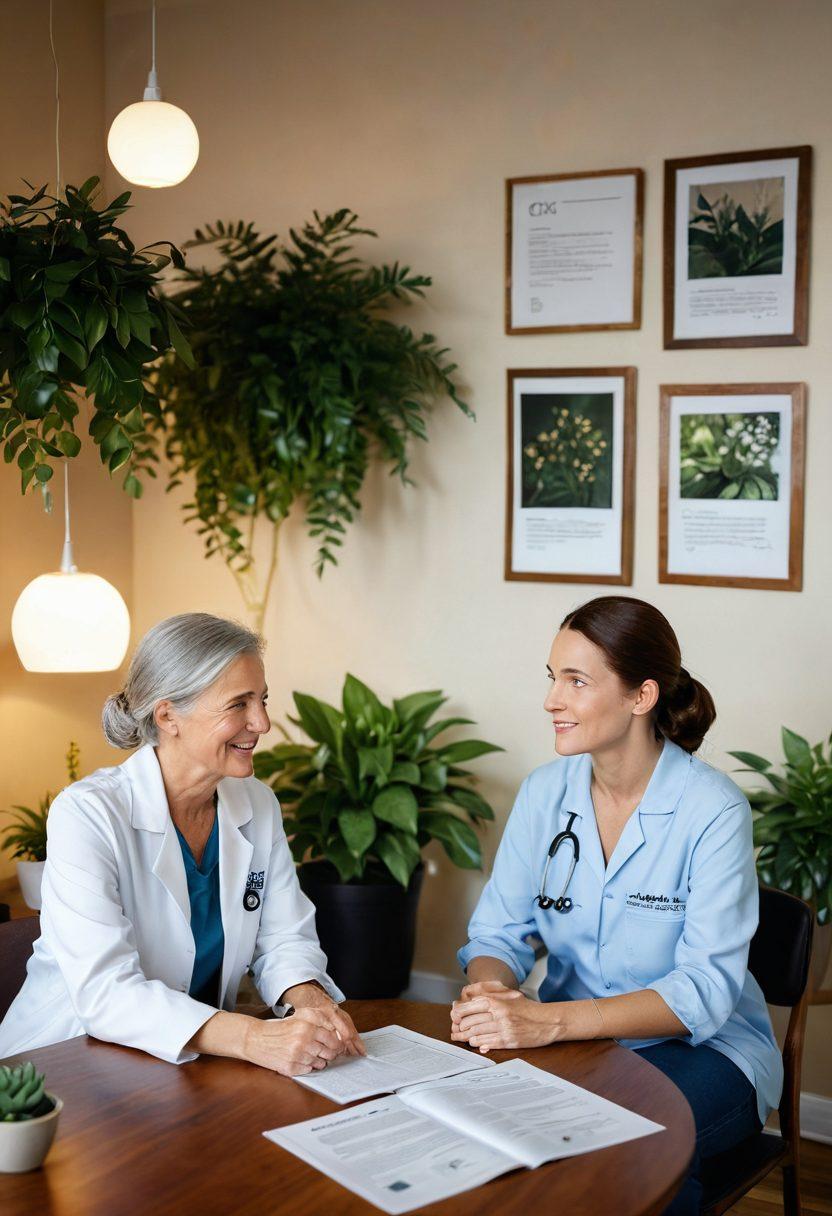
Lastly, let’s not forget the importance of emotional support as you traverse this challenging terrain. Engaging in support groups or seeking therapy can provide a safe space to express your fears and hopes with others who truly understand your struggles. In the thick of it all, ask yourself: who is my biggest ally in this journey? Building relationships with fellow patients, healthcare professionals, and loved ones can enhance your treatment experience and lead to better outcomes. Remember, you are not alone, and together, we can fight the battle against cancer more effectively.
The Importance of Support: Empowering Survivorship and Community Resources
When faced with a cancer diagnosis, the emotional and physical landscape can feel as daunting as an uphill battle against a malignant tumor. But amidst this struggle, one crucial factor stands out—support. The importance of cohesive patient support can’t be overstated. It shapes not only the recovery journey but fuels the very essence of survivorship. How can we cultivate a sense of empowerment through the challenges of oncology? It all begins with understanding the vital role of resources and community.
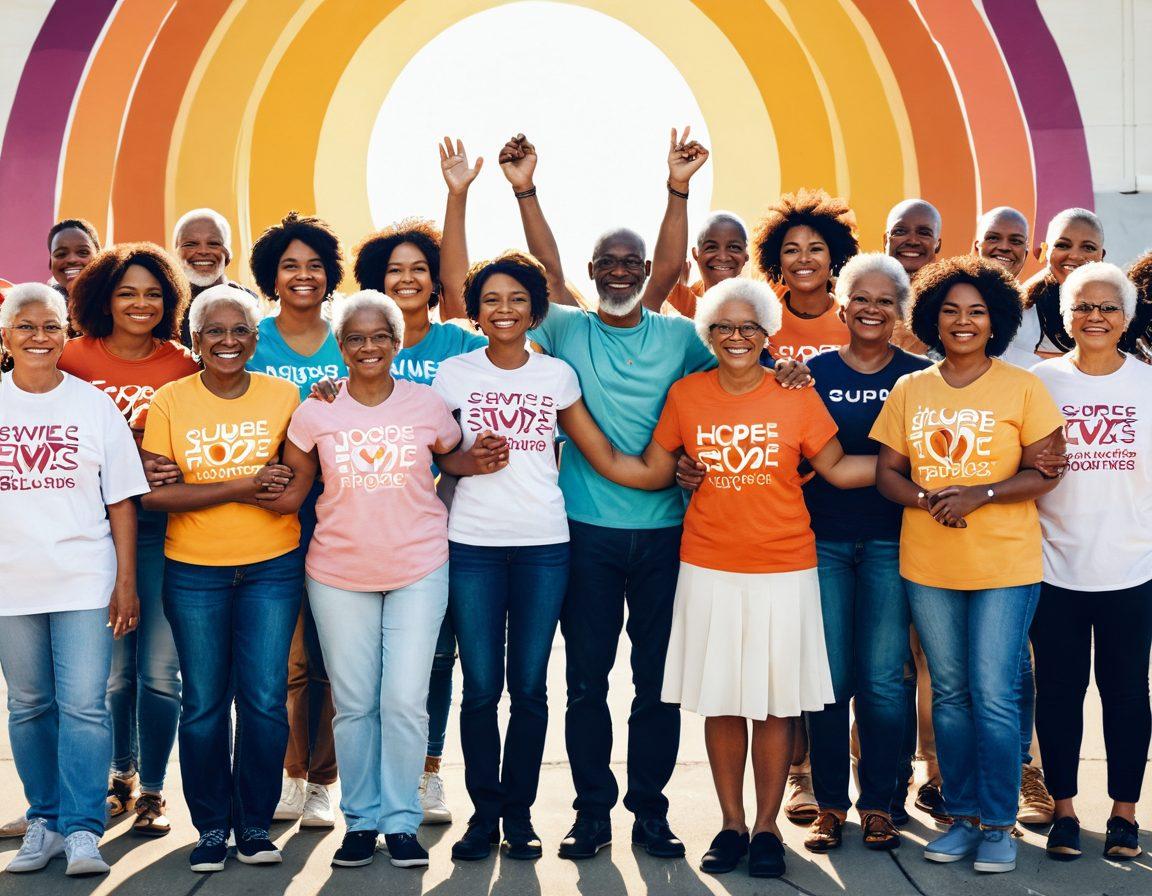
Imagine walking on a path lined with challenges—each step marked by uncertainty, treatments, and perhaps a looming question: 'What now?' The power of a supportive community acts as a guiding light, steering patients through the treacherous realms of diagnosis and treatment options. From local support groups to virtual forums dedicated to carcinoma discussions, these resources offer not just information but emotional connectivity. It's a chance for patients to share their stories, engage in cancer awareness, and realize they're not alone in this journey.
In the realm of cancer care, it's often said, 'You can’t pour from an empty cup.' This wisdom encapsulates the essence of self-care and emotional support during treatment. Why is taking care of oneself paramount when undergoing palliative care? Because emotional resilience is a fundamental aspect of effective symptom management. Engaging in lifestyle changes, whether that's through exercise or exploring alternative therapies, creates a foundation that bolsters physical health and nurtures the spirit. What practices can you incorporate into your daily routine to fill that cup and connect with your inner strength?
Healthcare professionals continuously emphasize the availability of clinical trials and cancer research opportunities as critical avenues for treatment. Yet, understanding them can be overwhelming. Patient support through disease advocacy organizations simplifies this process, providing clear insights about how to access these trials and additional resources. These organizations often provide oncology education workshops that demystify neoplasia and empower individuals with knowledge. Have you ever thought about how participating in a clinical trial could redefine your approach to survivorship?
Finally, never underestimate the power of sharing your experiences. By contributing to a health blog or a medical blog, cancer survivors can offer priceless insights and hope to those diagnosed. Every story holds the potential to inspire someone else navigating the tumultuous waves of cancer care. Remember, being an advocate for yourself and others can lead to a strengthened community, embraced by a network of support that champions survivorship and dedication to comprehensive healthcare. How will your journey inspire those around you?
Exploring Innovations in Oncology: From Clinical Trials to Alternative Therapies
In the ever-evolving landscape of oncology, innovation is the heartbeat that drives forward the quest for effective cancer care. For those navigating the labyrinth of a cancer diagnosis, understanding treatment options and available support systems can feel overwhelming. With the diagnoses of malignant tumors and various types of carcinoma increasing every year, the need for informed cancer awareness is more critical than ever. How do we find the best path through this complex world of neoplasia and treatment decisions?
At the forefront of this journey are clinical trials, often perceived as the bold frontier of cancer research. These trials are not just about testing new drugs; they represent hope—a beacon for patients seeking alternatives that traditional methods may not provide. Engaging in a clinical trial can feel like an adventure into the unknown, a chance to be part of something bigger. Have you ever thought about how these studies shape future treatment options not only for you but for countless others who will walk this path?
But it's not just about the latest drugs or therapies; alternative therapies also play a crucial role in many cancer care strategies. From holistic approaches to lifestyle changes that can complement traditional medicine, patients are encouraged to explore various avenues of support. Imagine weaving together a tapestry of palliative care, emotional support, and community resources to enhance your quality of life during treatment. How many layers of healing could you uncover beyond conventional treatments?
Moreover, the importance of cancer education and advocacy cannot be overstated in our quest for survivorship. Patients who actively engage in their health decisions often report better outcomes and a more empowering experience. Whether it's attending seminars, seeking out educational resources, or connecting with disease advocates, the conversation around personal health can lend a transformative quality. What steps can you take today to deepen your understanding of oncology and bolster your fight against cancer?
Lastly, as we navigate this intricate journey together, let’s not forget that the emotional aspects of a cancer diagnosis can be just as significant as the physical symptoms. The support systems one builds—through friends, family, or community groups—play a vital role in symptom management and maintaining hope during taxing times. Remember, it’s not just about battling tumors; it’s about nurturing the emotional well-being that often goes unnoticed. In what ways can you foster connections that uplift and protect your spirit during this challenging chapter?